Not every clogged drain gets the same fix. A drain snake clears plenty of blockages, but serious backups and clogs that keep coming back often need hydrojetting or trenchless pipe lining. In the short video below, Jeff from our team explains how 128 Plumbing, Heating, Cooling & Electric decides which one your home actually needs.
Dealing with a stubborn clog or backup right now? 128 Plumbing, Heating, Cooling & Electric has served Massachusetts and New Hampshire homeowners since 1992.


Watch: When to Snake, When to Jet
Drain Snaking: The Right Fix for a Simple, Localized Clog
A drain snake, also called an auger, is a flexible cable with a cutting or grabbing head. It’s fed into the line to break up or pull out the blockage. It works best for single clogs close to a fixture, like a hair clog in a shower drain, a toilet with something stuck in it, or a kitchen sink that’s slowed down.
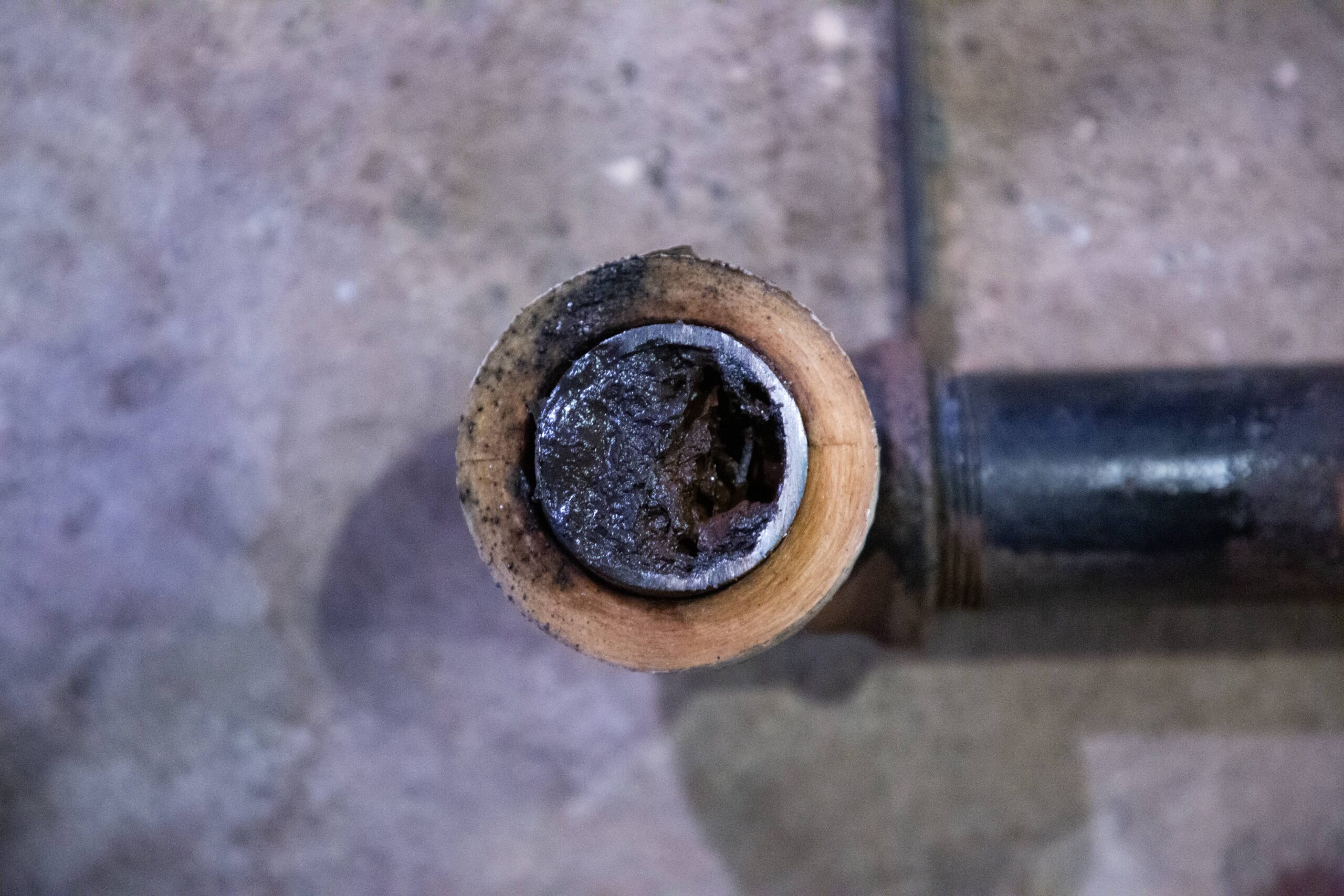
Snaking is fast and gets water flowing again, but it opens a path through the clog rather than cleaning the whole pipe. If grease, sludge, or scale is lining the pipe walls, the clog usually comes back. If you’ve had the same drain snaked more than once in the past year, that’s a sign you need a different approach.
Hydrojetting: When the Pipe Needs a Full Cleaning
Hydrojetting sends high-pressure water through the line to scour the inside walls of the pipe. It clears grease buildup, sludge, mineral scale, and many root intrusions that a snake can only poke through. That makes it the go-to option for recurring clogs, main line backups, and kitchen lines packed with years of grease.
Because jetting is powerful, the pipe needs to be in sound condition first. That’s why our technicians typically inspect the line with a camera before jetting, especially in older New England homes with clay or cast iron pipes. Learn more about our drain services.
Pipe Lining: When the Pipe Itself Is the Problem
Sometimes the clog isn’t the real issue. Cracked pipes, separated joints, root-damaged sewer lines, and corroded cast iron keep catching debris no matter how often they’re cleaned. In those cases, trenchless pipe lining creates a new, seamless pipe inside the old one, without tearing up your yard, driveway, or basement floor.
The line is cleaned first, then a resin-coated liner is installed and cured in place. The result is a smooth, jointless pipe that roots can’t get into. For a deeper look at the process, read our complete guide to trenchless pipe lining.
Side-by-Side: Which Fix Fits Your Drain?
| Compare | Drain Snake | Hydrojetting | Pipe Lining |
| Best for | Single, localized clogs | Recurring clogs, grease, sludge, roots | Cracked, broken, or root-damaged pipes |
| What it does | Breaks through the blockage | Scours the full pipe wall clean | Creates a new pipe inside the old one |
| Digging required | No | No | No (trenchless) |
| Signs you need it | One slow drain | Same clog keeps returning, main line backups | Camera shows cracks, offsets, or root intrusion |
Signs Your Drain Problem Is More Than a Simple Clog
- More than one drain is slow or backing up at the same time
- Water comes up through a basement floor drain
- Gurgling from toilets or drains when other fixtures run
- Sewer odors inside the house or in the yard
- The same drain clogs again within weeks of being cleared
- Soggy or unusually green patches of lawn over the sewer line
If any of these sound familiar, skip the store-bought chemicals, which can damage older pipes, and have a professional look at the line. 128 Plumbing, Heating, Cooling & Electric has been solving drain problems for New England homeowners since 1992, and homeowners have made us the most reviewed home services company in New England. See what your neighbors say.
Related Drain and Plumbing Services
Frequently Asked Questions
Is hydrojetting safe for older pipes?
Hydrojetting is safe for pipes in sound condition. In older homes with clay or cast iron lines, 128 Plumbing, Heating, Cooling & Electric typically inspects the pipe with a camera first to confirm it can handle jetting. If the pipe is damaged, lining or repair may be the better option.
Why does my drain keep clogging after it’s been snaked?
A snake opens a path through the clog but doesn’t clean buildup off the pipe walls. Grease, sludge, scale, or roots left behind catch new debris. Recurring clogs usually call for hydrojetting or a camera inspection to check for pipe damage.
How do I know if I need pipe lining instead of drain cleaning?
If a camera inspection shows cracks, separated joints, root intrusion, or heavy corrosion, cleaning alone won’t solve the problem. 128 Plumbing, Heating, Cooling & Electric will show you the camera footage and explain whether cleaning, jetting, or lining makes sense.
Does trenchless pipe lining require digging up my yard?
No. Trenchless pipe lining is installed through existing access points, so there’s no need to dig up your lawn, driveway, or landscaping in most cases.
What should I do if my drain is backing up right now?
Stop running water to the affected drains and call 888-CALL-128. 128 Plumbing, Heating, Cooling & Electric serves communities in Massachusetts and New Hampshire, and will prioritize active backups.
Get the Right Fix for Your Drain the First Time
128 Plumbing, Heating, Cooling & Electric has served Massachusetts and New Hampshire homeowners since 1992, and homeowners across the region have made us the most reviewed home services company in New England. Licensed technicians, upfront pricing, and a straight answer on whether you need snaking, jetting, or lining.