Choosing the right heating system is one of the most important decisions for any Massachusetts homeowner. Winters are long, cold, and unpredictable, so your system needs to be dependable, efficient, and properly matched to your home. Understanding the differences between a boiler vs furnace vs heat pump can help you make an informed choice as to which system will be the best fit for your home’s unique needs.
Key Summary
- Boilers use water to deliver steady, radiant heat that works well in homes with existing hydronic systems.
- Furnaces heat air and distribute it through ducts, providing fast and effective whole home heating.
- Heat pumps move heat rather than generate it, offering efficient year round heating and cooling.
- Heat pumps can reduce energy usage and are often paired with traditional systems for cold weather performance.
How Boilers Work
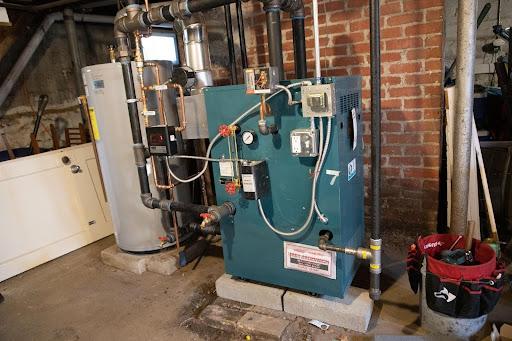
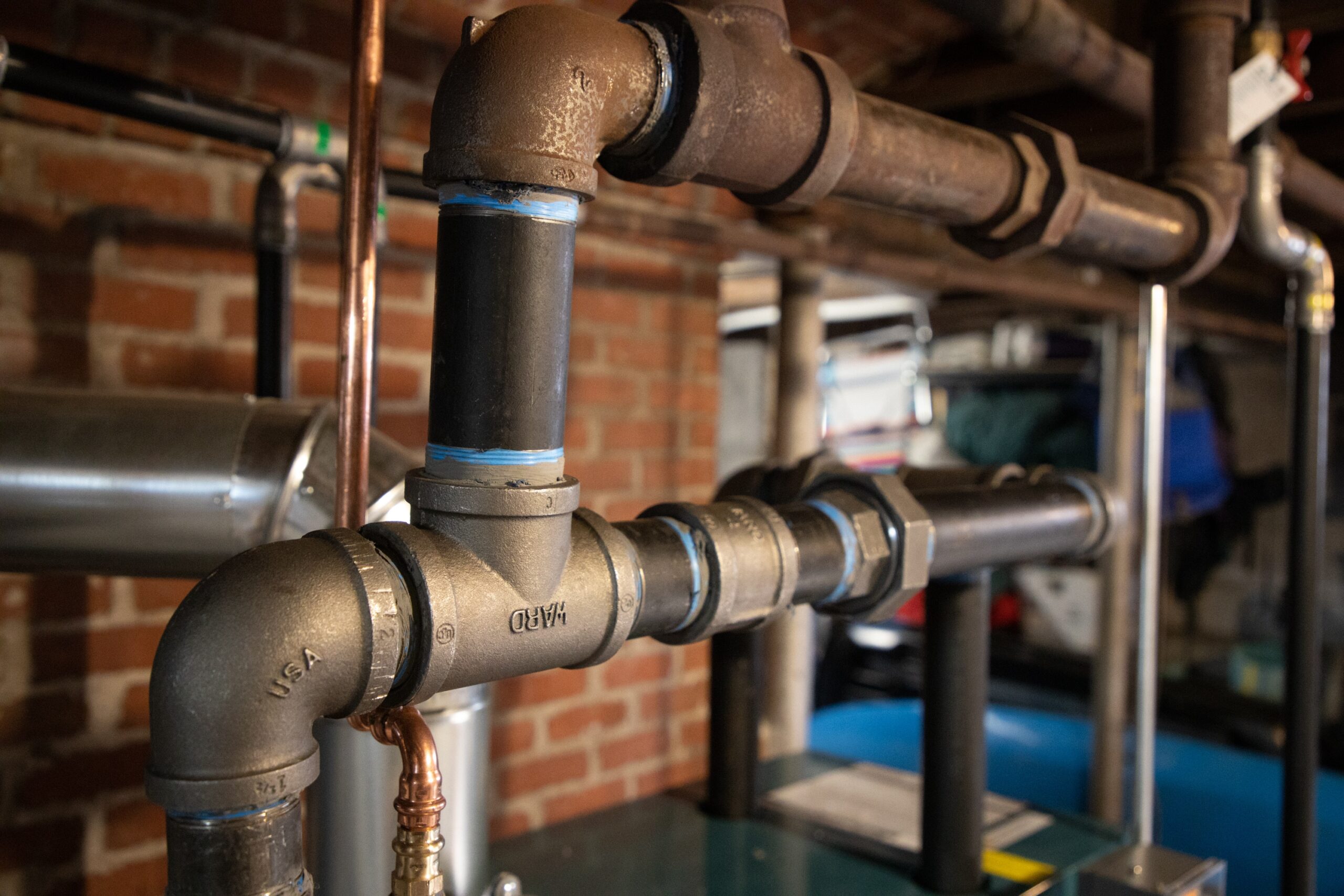
A boiler heats water and distributes it through radiators, baseboards, or radiant floor systems. The result is consistent, even heating without moving air. This makes boilers a popular choice for older homes or homes designed around hydronic systems. Boilers are known for producing a stable indoor temperature with fewer drafts. A lot of homeowners with boilers mention a helpful amount of humidity due to the water.
If you are upgrading or maintaining your hydronic system, you can learn more about boilers and how proper installation and service can improve efficiency.
How Furnaces Work
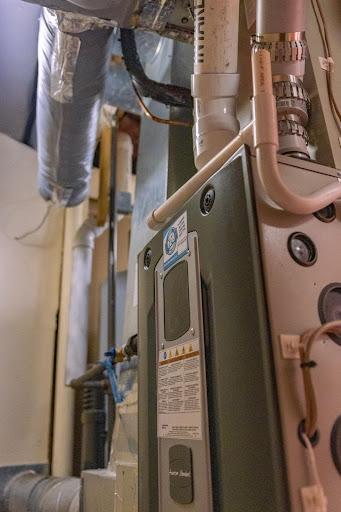
A furnace heats air and pushes it through ductwork to deliver warm air to each room. This system is common in homes that already have central air conditioning since both can use the same duct network. Furnaces heat quickly, which can be helpful during sudden cold snaps.
If your system is older or showing signs of inconsistent heat, you may want to explore repair or maintenance options at furnaces.
How Heat Pumps Work
Heat pumps do not generate heat the way boilers and furnaces do. Instead, they move heat from one place to another. In the winter, they pull heat from the outdoor air and deliver it inside your home. In the summer, they reverse direction to provide cooling. This makes heat pumps one of the most energy efficient HVAC systems available.
Homeowners who want an all in one heating and cooling solution still using window units and without any history of having central A/C often consider heat pumps. These systems provide consistent comfort with lower energy consumption.
Boiler vs Furnace vs Heat Pump: Key Differences
The biggest differences between these systems come down to how they distribute heat, how they use energy, and what kind of comfort they provide. Boilers heat water, furnaces heat air, and heat pumps transfer heat. Boilers deliver radiant warmth that feels steady and comfortable, while furnaces provide faster heating through forced air. Heat pumps offer both heating and cooling with a focus on efficiency.
Which Heating System Is Best for Massachusetts Homes?
Because Massachusetts experiences cold winters, the right heating system depends on your home’s size, insulation, ventilation, and existing infrastructure. Boilers are ideal for radiant heating or older homes with existing hydronic systems. Furnaces are a strong choice for homes with ductwork that need rapid heating. Heat pumps offer efficient year round comfort, especially in homes that want both heating and cooling in one unit. Many homes use heat pumps along with conventional systems for a hybrid approach.
When To Repair or Replace Your Heating System
If your heating system is inconsistent, noisy, or struggling to keep up with cold weather, it may be time to schedule a professional evaluation. Timely service helps extend the life of your system and improves performance. For homeowners experiencing issues, options like heating repair and heating maintenance can restore efficiency and prevent breakdowns. Just like a car, there are cases when you have the option to repair vs. replace the heating system, and other cases where the system is “totaled”. A newer car may have higher miles per gallon, similar to a heating system having a better efficiency rating than older heating systems do. Newer heating systems can be up to 97% efficient, a much higher efficiency rating than older equipment. That means of every dollar spent on your heat, the newer 97% heating system will have $0.97 of every dollar go directly towards the heating bill, while older systems will only have a fraction of that, with more wasted heating dollars per month. A newer heating system could cost less to run and bring your heating bills down because of the efficiency rating, which is a reason why a lot of homeowners will decide to replace their system before the system dies altogether.
Considering a Ductless Heating Option
Some homes do not have ductwork or may want supplemental heating for specific areas, like a basement or addition. For these situations, ductless heating or heat pumps can be the perfect, noninvasive, effective alternative. These systems offer zoned comfort and work well in renovated spaces or areas with limited airflow. Homeowners like having the ability to turn on heating or air conditioning for one room, rather than an entire floor or the whole house, and they can do that with ductless minisplits or heat pumps, because the thermostat comes right from the hand remote.
Frequently Asked Questions
Is a boiler more efficient than a furnace?
It depends on the type of system and the home itself. Boilers can provide even heating and can be more efficient in homes designed for hydronic systems. Furnaces heat quickly, but they can lose heat through ductwork if it is not properly sealed or insulated. Homeowners with furnaces need to remember to look at their filter as well as their ductwork, as both have an effect on efficiency performance also.
Are heat pumps good for cold Massachusetts winters?
Yes. Modern heat pump technology performs well even in low outdoor temperatures. Many homeowners pair a heat pump with a traditional heating system for maximum efficiency and comfort with the benefit of getting air conditioning throughout the summer too.
What is the biggest difference between a boiler and a furnace?
A boiler heats water and distributes it through radiators or baseboards. A furnace heats air and distributes it through ducts.
Is it worth replacing an older boiler or furnace?
If your furnace is more than 15 to 20 years old or your boiler is over 25 years old, a heating replacement can improve energy efficiency and reliability. A professional inspection can help you determine the right time to upgrade and the pros and cons for your unique situation.