Choosing the right heating system for your Massachusetts home can be challenging. With cold winters across the North Shore and Greater Boston, your system needs to deliver both comfort and efficiency. At 128 Plumbing, Heating, Cooling & Electric, we help homeowners decide between oil vs gas vs electric heat for residential heating services based on cost, performance, and long-term value.
Key Summary
- Each heating system, oil, gas, and electric, has its own advantages.
- Oil provides powerful heat but can be costly.
- Gas offers efficiency and reliability if natural gas lines are available.
- Electric systems, including heat pumps, are energy-efficient and ideal for homeowners looking to reduce carbon emissions.
Understanding the differences helps you choose the best option for your Massachusetts home.
Oil Heating Systems
Oil heat has been a common choice in older Massachusetts homes for decades. It provides steady, reliable warmth even in the coldest temperatures. Unlike gas and electric heating, oil heating is the only option to know what you’re going to pay BEFORE – rather than electric and gas heating, where you get a bill sent to you afterwards with little ways of knowing beforehand. However, oil systems often require on-site fuel storage, regular deliveries, and heavier maintenance compared to gas or electric systems. Also, without having an oil gauge or app on your phone to track it nowadays, there’s a chance you run out of oil. People with oil deliveries also run the small risk of oil spills, which can be a costly nightmare. You also need to have space for the oil tank, unlike the other options.
Pros: Produces strong, consistent heat; dependable for older homes; doesn’t rely on a gas line connection, and allows for choosing a price and paying before the month starts, rather than after
Cons: Higher fuel costs; requires tank maintenance; less energy-efficient than newer systems. It leaves space for potential oil run-outs on colder months.
Homeowners who still use oil should consider annual maintenance and modern, high-efficiency oil furnaces to reduce heating expenses. Learn more about heating oil tanks if you’re managing an existing setup.
Gas Heating Systems
Natural gas heating is the most common choice for modern Massachusetts homes. Gas furnaces are highly efficient, deliver quick heat, and are often cheaper to operate than oil systems. Since gas is piped directly to the home, there’s no need for fuel storage or deliveries.
Pros: High efficiency; lower fuel costs; reliable and clean-burning; works well with forced hot air and boiler systems.
Cons: Requires access to a gas line; may involve higher upfront installation costs if conversion is needed.
For many North Shore homeowners, gas heating strikes the perfect balance of comfort, cost, and convenience. Explore our residential heating services to learn more about efficient gas heating solutions.

Electric Heating Systems
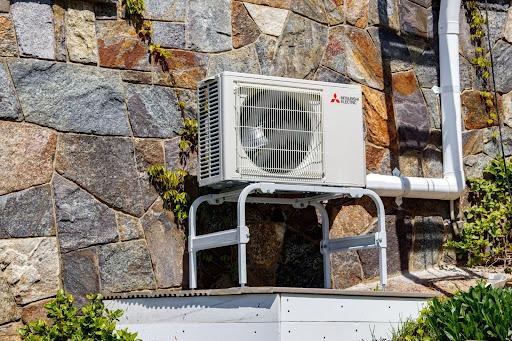
Electric heating is growing in popularity across Massachusetts, especially with advancements in heat pump and ductless mini-split technology. Modern electric systems can efficiently heat and cool your home using renewable energy, reducing both emissions and long-term energy costs. Homeowners looking for residential solar system installations also find that electric heat pump and ductless mini split applications are nicely integrated with solar.
Pros: Energy-efficient; environmentally friendly; requires no fuel deliveries; easy to integrate with solar or hybrid systems.
Cons: Electricity rates can be high; may lose efficiency in extreme cold if not a cold-climate model.
Cold-climate heat pumps now perform effectively even when temperatures drop below freezing, making them a great choice for Massachusetts homeowners.
Comparing Oil vs Gas vs Electric Heat in Massachusetts
Here’s a quick comparison to help narrow your choice:
- Cost: Gas and electric systems generally cost less to run than oil.
- Maintenance: Oil systems require more demanding service and fuel management.
- Efficiency: Electric systems (especially heat pumps) offer the highest energy efficiency.
- Availability: Gas requires access to municipal lines, while electric is available anywhere.
- Sustainability: Electric systems lead in environmental performance, especially when paired with renewable energy sources.
- Space: An electric or gas heating system may take up less space than an oil heating system with an oil tank.
Which Heating System Is Best for Your Massachusetts Home?
When comparing oil vs gas vs electric heat, the best system is going to depend on your home’s layout, energy goals, and available utilities. What is existing in the home already will help guide the decision also. Homes with existing ductwork may benefit from upgrading to a high-efficiency gas furnace, while older properties without ducts might consider ductless mini-splits. For homeowners seeking lower emissions and long-term savings, a cold-climate heat pump offers both heating and cooling in one system.
The good news is that at 128, we do not have a specific heating method that we lean towards and recommend to customers. When customers are comparing their options between oil vs gas vs electric heat, we always make recommendations based on the homeowner’s wants and needs, and guide them to ultimately make the decision. We specialize in installing all oil, gas, and electric heating systems and perform them daily. If you’re unsure which heating option is right for your home, our experienced HVAC team can help assess your current setup and recommend the most efficient solution for your budget and comfort goals.
Frequently Asked Questions
Is it worth switching from oil to gas heat in Massachusetts?
Yes, many homeowners every year decide they want to convert to gas, and now electric too . Gas heating systems are typically more efficient, require less maintenance, and use cleaner fuel. The switch can lower long-term energy costs, especially in regions with reliable gas service like the North Shore and Greater Boston. Visit our oil to gas conversion page for more information.
Can I replace my oil furnace with a heat pump?
Absolutely. Many Massachusetts homeowners are replacing oil systems with electric heat pumps to take advantage of Mass Save rebates and lower energy costs. Cold-climate heat pumps can provide reliable heating even in below-freezing temperatures. Others install heat pumps or ductless minisplits for air conditioning in the summertime, and keep their tried and true heating system in the home too.
Are electric heating systems expensive to run?
You’ve probably heard of electric heating back in the 70’s and 80’s being really expensive. Some electric heating systems can cost more per unit of energy, but newer heat pumps and mini-splits are highly efficient, often offsetting higher electricity rates. They’re also eligible for local rebates and incentives that help reduce installation costs, to encourage homeowners to drop using fossil fuels.
How do I know which system is best for my home?
It depends on your home’s existing infrastructure and goals. If you already have ductwork, a high-efficiency gas furnace or hybrid heat pump may be ideal. If not, ductless mini-splits provide flexible, efficient heating without renovation. Schedule a free consultation with 128 to find your best fit, whether it’s an emergency heating need or a project you’re thinking about for the future.
Do you serve areas outside of the North Shore?
Yes, in addition to the North Shore, we serve homeowners throughout Greater Boston, Merrimack Valley, and the South MetroWest.